Stage Clear Tips — 1950s berlin department store toy section with dollhouses and teddy bears
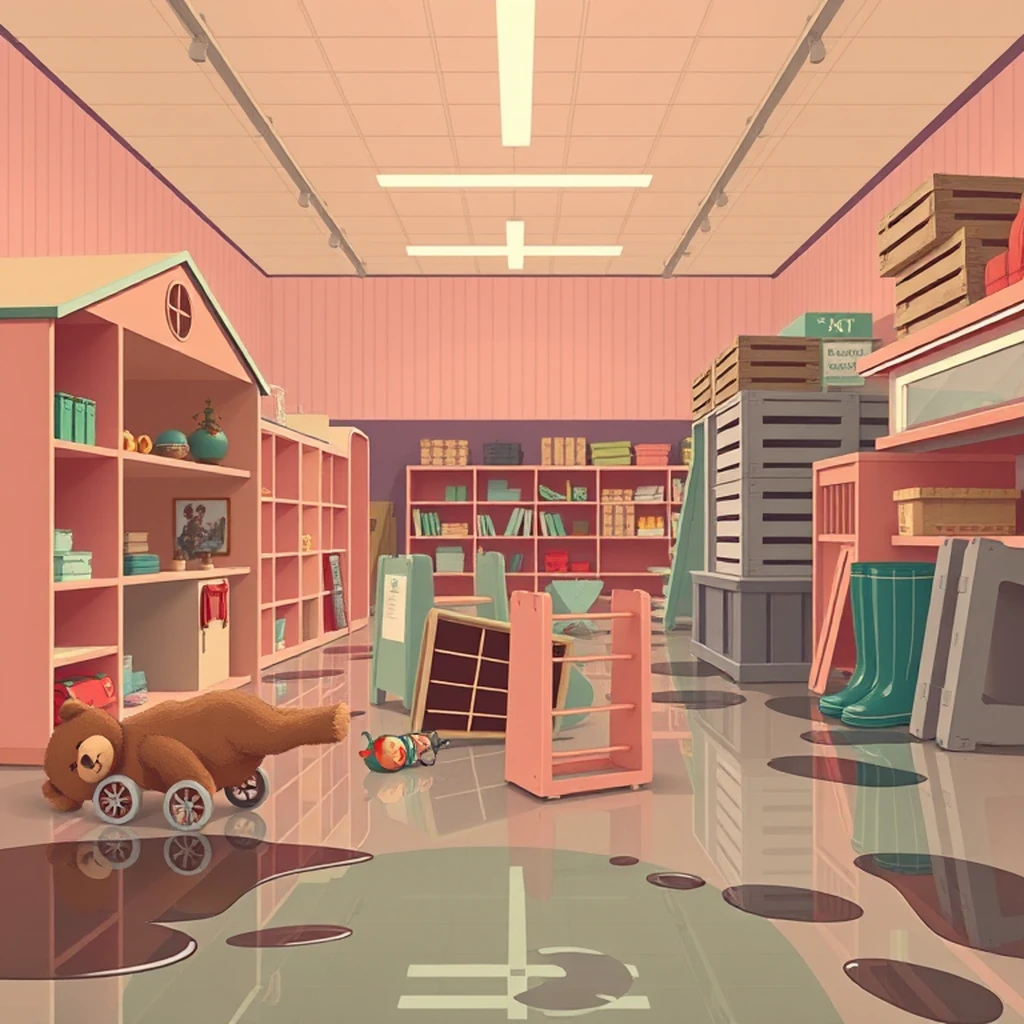
Stepping into the bustling toy section of a Berlin department store in the 1950s is like walking through a vintage postcard. Rows of dollhouses and teddy bears are neatly displayed among shelves filled with toys, capturing the charm and simplicity of mid-century Europe.
What kind of changes to expect
In this vibrant setting, you'll encounter various subtle differences designed to challenge your attention to detail. Expect 4 tool/object swaps where common items might appear slightly altered or misplaced, along with 1 character variation that subtly shifts a person's appearance among the crowd. Additionally, there are 7 other object swaps, ranging from small toys to decorative elements within the dollhouses and on the shelves. To effectively scan for these changes, pay close attention to patterns and groupings of objects—look at how items interact with their surroundings rather than focusing solely on individual pieces.
Theme background
The visual theme of this puzzle transports you back in time to the post-war era when Berlin was rebuilding its economy and culture. The art style is nostalgic yet vividly detailed, featuring a color palette that reflects both the austerity and charm of 1950s Europe—soft pastels for teddy bears contrast with more earthy tones from wooden toys and furniture. Composition-wise, the scene is rich in detail, with rows of dollhouses creating depth and symmetry amidst the bustling crowd. This theme not only offers a delightful challenge but also serves as an educational glimpse into historical European retail settings.
Strategy
1. Focus on areas where multiple items are clustered together. The denser sections often hide differences more effectively due to the visual noise they create.
2. Pay attention to repeating patterns such as rows of dollhouses or shelves filled with similar toys. Small variations within these repetitions can be easily overlooked if you aren't methodical in your scan.
3. Don’t underestimate the importance of characters and background elements. Sometimes a slight alteration in how someone is holding an item or a subtle change in signage can signify one of the differences.
By following these tips, you'll enhance your ability to spot those elusive changes while enjoying the rich atmosphere of this historical setting.
Full position guide
The list below covers all differences in this puzzle. Click to expand if you're stuck and want exact positions.
🔍 Show difference positions (spoilers — open only when stuck)
Approximate on-screen position and change for each difference. Each playthrough picks 5 from this pool, so your game may match only some entries.
- middle-left — brown teddy bear lying on the floor → brown teddy bear standing upright
- top-right — sign saying 'WELCOME' → sign saying 'HELLO'
- middle-center — pink wall with bookshelves → pink wall with dollhouses
- middle-center — bookshelf with books → bookshelf with dolls
- bottom-center — red and blue toy car on the floor → green and yellow toy car on the floor
- middle-left — dollhouse on the shelf → dollhouse with a red roof on the shelf
- bottom-right — shelf with books and a green box → shelf with books and a pink box
- middle-left — brown teddy bear with wheels → brown teddy bear with stars
- middle-center — bookshelf with books and a red toy → bookshelf with books and a blue toy
- top-left — red toy car on the floor → green toy car on the floor
- bottom-left — sign saying 'WELCOME' → sign saying 'HELLO'
- top-center — brown teddy bear lying on the floor → brown teddy bear standing upright
Try the puzzle
→ Play 1950s berlin department store toy section with dollhouses and teddy bears on SpotDiff Daily
---
One of 500+ AI-generated daily puzzles on SpotDiff. New scene every day at midnight UTC.
→ Open this puzzle on SpotDiff Daily